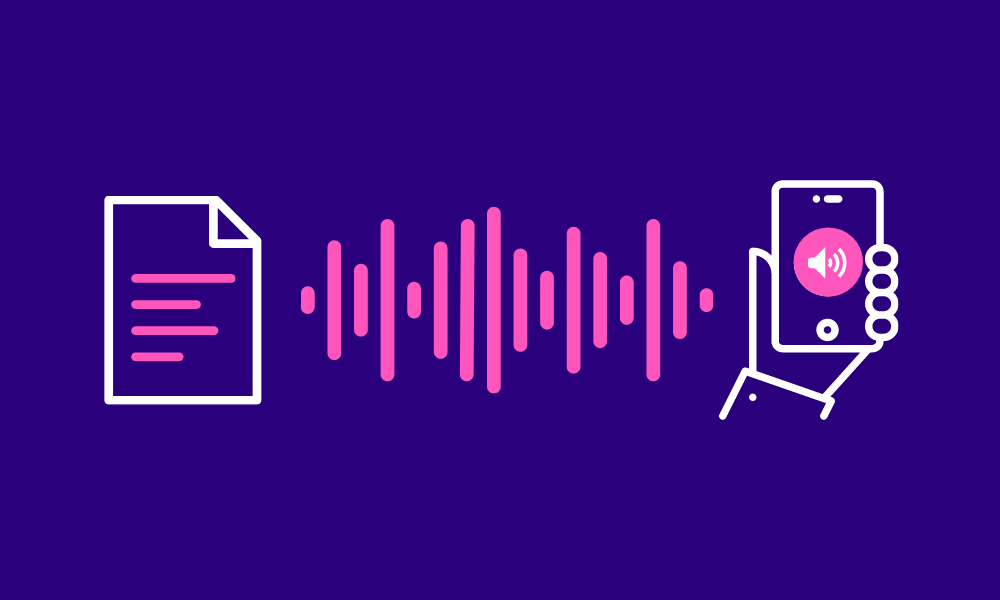
Today, Victoria Woelders gave a wonderful presentation on ARC BC and inclusive design. I’m so glad we got the opportunity to learn about these resources. This presentation was especially meaningful to me because, as someone with dyslexia, I know firsthand how important assistive technology is for students who struggle with learning. I use text-to-speech and speech-to-text software almost every day, and I can confidently say that I would not be where I am today without these tools. They have made such a difference in my education, and I am incredibly grateful to have access to them. I think it is so important that teachers and students learn how to use these resources because they can truly be life-changing for students.
One thing that really stood out to me was the different Microsoft software and resources Victoria showed us. I think these tools are amazing because they give students with different learning needs a more equal opportunity to succeed in the classroom. However, one thing I do find frustrating is that these resources are only available for students with an IEP. Although I understand why these requirements exist, I also know firsthand how challenging, time-consuming, and sometimes expensive it can be to get an assessment. Waiting lists can be extremely long, and families who don’t want to wait sometimes have to pay out of pocket for assessments. I think this creates barriers for students who could really benefit from these tools but may not have access to them yet. I believe students should be able to get the support they need without having to wait years.
Another part of the presentation that really opened my eyes was learning about how we can make our own teaching material more accessible to individuals with disabilities. This was something I had never really thought about before. As someone who uses text-to-speech software regularly, I have experienced how it can sometimes jump around a page or read things in an order that doesn’t make sense. I always thought that was just how the software worked and that you had to try your best to follow along. I never realized that how we design Canva presentations, posters, and other resources can affect how screen readers read the information. It was really interesting to learn that something as simple as adding decorative elements or rearranging text to make something look more appealing can make it harder for someone using assistive technology to understand. As a future teacher, I realize how important it is to make and create learning material accessible rather than just focusing on how it looks.
Overall, I found this presentation extremely valuable both personally and as a future educator. Having experienced the benefits of an assistive technology myself, I know how much of a difference these resources can make in students’ confidence, independence, and ability to learn. It also reminded me that inclusion is not just about providing accommodations when students are struggling, but about designing learning environments where we all have the opportunity to succeed from the beginning. I will definitely advocate for assistive technology and incorporate these tools into my future classroom. I want students to know that needing support or learning differently does not mean they are any less capable than anyone else. The right tools can help them succeed.
inkspire.org