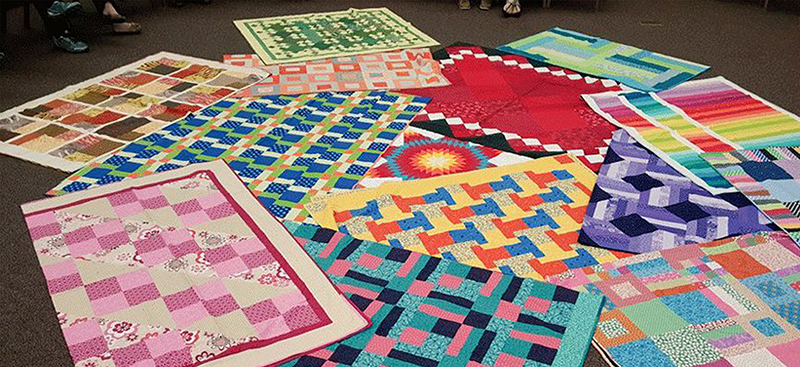
Today in class, we participated in the blanket exercise with Dr. Daniel Sims. I’ve done this exercise before, but it was eye-opening and emotional again. What stood out more this time was seeing how much it affected some of my classmates, especially those who are Indigenous. As someone who is not indigenous, I can learn about the history and the challenges indigenous people have faced, but I will never fully understand how these experiences continue to affect indigenous individuals, their families and their communities today. Seeing my classmates move made me realize even more that these events are not just from the past; their impacts are still felt today and continue through generations. It reminds me how important it is to listen, learn, and recognize others’ experiences.
The blanket exercise is a great activity to incorporate into a classroom, especially in language arts or social studies, as long as it is age-appropriate. Students could participate in the exercise and write a reflection on how it made them feel, what they learned, and what stood out most. You could also have students draw a picture or participate in a class. Have a discussion to share their thoughts. I think activities like this can be much more meaningful and effective than simply reading about history in a textbook. For me, seeing it and experiencing it makes it feel real and helps me understand it on a deeper level. Reading about something and watching it unfold in front of you are two very different experiences. Watching the blanket being taken away, which represents indigenous people losing their land, was very emotional. Listening to the stories, along with seeing what was happening throughout the exercise, made everything feel more real. It also showed me how resilient indigenous people have been despite everything they have experienced and continue to face today. As a future teacher, I want to create opportunities that help students make connections, develop empathy, and better understand the lasting impacts of Indigenous history.